Four Walls, Full House: Why Small Stages Are Still the Fastest Track to a Real Career
There's a version of the music industry success story that lives entirely on a screen. You post a clip, the algorithm picks it up, a playlist curator notices, and suddenly you're selling out theaters. It happens. But for every artist who rides that wave, there are thousands who go viral and vanish — no fan base, no live muscle, no career infrastructure to catch them when the feed moves on.
Ask the people who actually book talent for a living, and they'll tell you something different. The artists who last are almost always the ones who put in time on the ground — loading their own gear into clubs, shaking hands after sets, driving four hours for a 45-minute opening slot. The small venue circuit isn't glamorous. But in 2024, it might still be the most reliable engine for building something real.
The Numbers Behind the Room
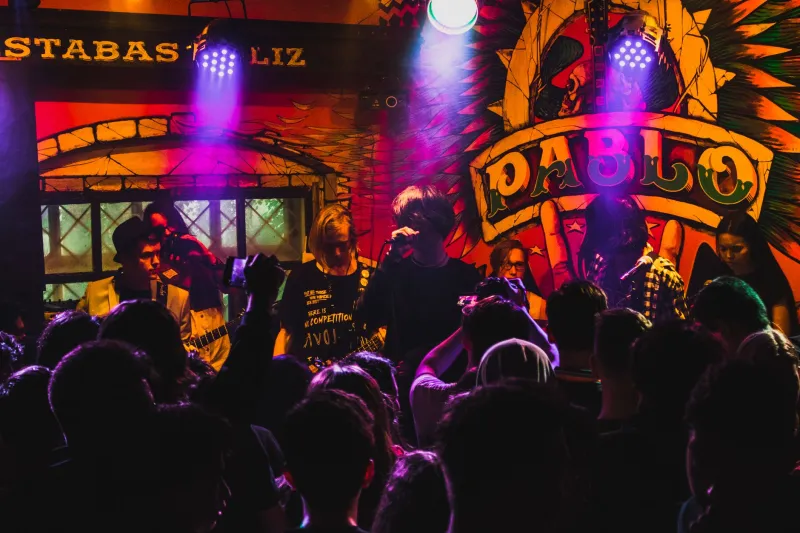
Here's something that doesn't get talked about enough: a 200-cap venue show where you've personally hustled every ticket can generate more meaningful momentum than a song with 50,000 streams. Why? Because the people in that room chose to be there. They made a plan, bought a ticket, showed up. That's a level of engagement that passive listening just can't replicate.
For independent artists without label support, the economics of small venues are also more transparent and, in some cases, more favorable than streaming math. A night where you're pulling 150 people at a $15 ticket, with a merch table doing decent numbers, can clear more take-home than months of mid-tier streaming royalties. And unlike a playlist slot, that income comes with something extra: a room full of people who now have a story about the night they saw you before you were everywhere.
Booking agents who work the indie circuit have watched this dynamic play out repeatedly. Artists who build regional strongholds — cities where they can reliably sell out a 300-cap room — have leverage that streaming numbers alone can't provide. Labels notice it. Promoters notice it. Festival bookers definitely notice it.
What Venue Owners Actually See
Talk to the people running independent clubs across the country and a consistent picture emerges. The artists who come back stronger are the ones who treat every show like it matters, regardless of the draw. They're not phoning in sets for twelve people on a Tuesday. They're learning how to read a room, how to hold attention, how to turn a stranger into a fan in real time.
Venue owners in cities like Chicago, Denver, and Atlanta describe a kind of artist development that happens organically on their stages — artists who come in rough and leave sharper, show after show. The small room is an unforgiving classroom. You find out fast what's working and what isn't, and you get to fix it the next night in the next city.
There's also a community dimension that streaming platforms simply can't manufacture. When a local club becomes the place where a scene develops — where fans know they can find new music, where artists support each other's shows — it creates a cultural gravity that benefits everyone in the ecosystem. That's the kind of thing that turns a regional artist into a local institution, and a local institution into a national story.
The Grassroots Touring Playbook
For artists just starting to build a live presence, the approach that's working in 2024 looks less like a traditional tour and more like a slow, deliberate expansion. Start with your home market. Play it until you own it. Then identify two or three adjacent cities where your music has already found pockets of listeners — check your streaming analytics, look at where your social engagement is coming from — and build outward from there.
The goal isn't to hit every city at once. It's to create reliable markets, places where you can return every six to eight months and grow the room each time. Artists who build this way develop something that algorithms can't give them: a reputation. Word of mouth still moves faster than most people give it credit for, especially in music communities that are tight-knit and passionate.
Opening slots are underrated in this context. Getting on the bill with an established act that shares your audience is one of the most efficient ways to fast-track credibility in a new market. You're borrowing trust for 30 minutes, and if you deliver, some percentage of that crowd becomes yours. Repeat that in enough cities and the math starts to shift in your favor.
When the Algorithm and the Stage Work Together
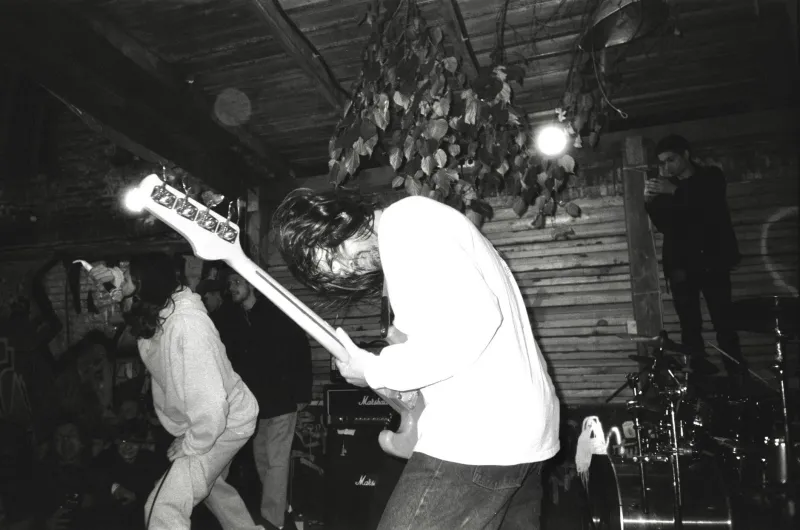
None of this is to say that digital presence doesn't matter — it absolutely does. The artists who are navigating this landscape most effectively are the ones using online tools to amplify what's happening in real life, not to replace it. A well-shot clip from a packed show tells a story that a studio recording can't. It signals energy, community, demand. It gives people who weren't in the room a reason to want to be in the next one.
Some artists are getting strategic about this loop: build a moment at a live show, capture it authentically, let it circulate, watch it drive ticket sales in the next market. The content isn't the product — the live experience is the product, and the content is the advertisement. That distinction matters.
Streaming platforms are useful for discovery. Social media is useful for maintaining connection between shows. But neither of those things can replicate what happens when an artist and an audience are in the same room, breathing the same air, sharing something that only exists in that moment. That's the part of music that has never been disrupted, and probably never will be.
The Long Game
Career longevity in music has always been correlated with live performance. The artists who are still filling rooms twenty years in — across every genre — are almost universally the ones who never stopped touring, never stopped treating the stage as sacred. That's not nostalgia talking. It's pattern recognition.
In a landscape that's noisier and more fragmented than ever, the small venue circuit offers something increasingly rare: clarity. You play, people respond, you learn, you grow. The feedback loop is immediate and honest. There's no algorithm between you and your audience, no engagement rate to optimize, no trending sound to chase.
Just four walls, a stage, and however many people showed up. That's still where careers are built. And in 2024, that might be the most radical thing an artist can do.