Before the Hype Hits: Your No-BS Guide to Finding Artists Before They Blow Up
Why Being Early Actually Matters
There's a specific kind of joy that comes with telling your friends about an artist nobody's heard of yet — and then watching that artist headline a festival two years later. It's not just bragging rights (though honestly, those are valid). Being an early fan means you get to experience an artist in their rawest, most intimate form. Smaller shows. Direct interactions. Music made without the pressure of a massive audience watching every move.
The thing is, finding those artists isn't as mysterious as it seems. It takes some intentionality, a little patience, and knowing where to actually look. Here's where to start.
Dig Into the Streaming Platforms Nobody's Talking About
Bandcamp
If you're not regularly browsing Bandcamp, you're leaving a goldmine untouched. Unlike Spotify or Apple Music, Bandcamp is built around direct artist-to-fan transactions. Artists upload their own music, set their own prices, and keep the majority of revenue. The result is a platform packed with independent artists — from lo-fi bedroom pop acts in the Pacific Northwest to experimental jazz producers in Chicago — who haven't been scooped up by a label yet.
The discovery tools aren't flashy, but that's kind of the point. Browse by genre tags, check the "new arrivals" section in whatever style you're into, or follow the Bandcamp Weekly podcast, which highlights standout releases every week. Friday is Bandcamp Friday — the platform waives its revenue share, and artists get a bigger cut. It's a good excuse to buy something new and support someone directly.
SoundCloud
Yeah, SoundCloud is still very much a thing. It remains one of the most important platforms for hip-hop, electronic music, and lo-fi genres specifically. A lot of producers drop mixtapes, freestyles, and experimental projects here before they ever touch a major streaming platform. The comment feature — where listeners can leave timestamped notes on specific moments in a track — creates a genuinely unique sense of community around the music.
Search by genre, follow reposts from curators you trust, and don't sleep on the "related tracks" rabbit hole. Some of the most interesting underground hip-hop and electronic scenes in the US are still primarily SoundCloud ecosystems.
Audiomack
Audiomack has become a major hub for hip-hop, Afrobeats, and R&B discovery, with a strong following in urban US markets. Free streaming, no paywalls, and a culture of sharing means music moves fast here. It's particularly strong for catching regional rap scenes — Atlanta, Houston, Detroit, and New York artists often build real followings on Audiomack before crossing over to mainstream platforms.
Get Into the Right Online Communities
Don't underestimate Reddit as a discovery tool. Subreddits like r/listentothis, r/indieheads, r/hiphopheads, r/edmproduction, and hundreds of genre-specific communities are full of fans actively sharing music they love. The upvote system means genuinely good stuff tends to surface. Rules in these communities often prohibit posting mainstream artists, which keeps the focus on emerging and independent talent.
Find two or three subreddits that match your taste and check them regularly. Pay attention to the users who consistently recommend things you end up loving — follow them, read their post history. You're essentially building a personalized discovery network.
Discord Servers
Music Discord servers are where the real heads hang out. Genre-specific servers — for everything from shoegaze to hyperpop to indie folk — often have channels dedicated to sharing new finds, discussing upcoming releases, and even hosting listening parties. Some artists run their own Discord communities where fans get early access to demos, unreleased tracks, and direct conversations with the artist. That kind of access doesn't exist at the major-label level.
Hit the Local Venue Circuit
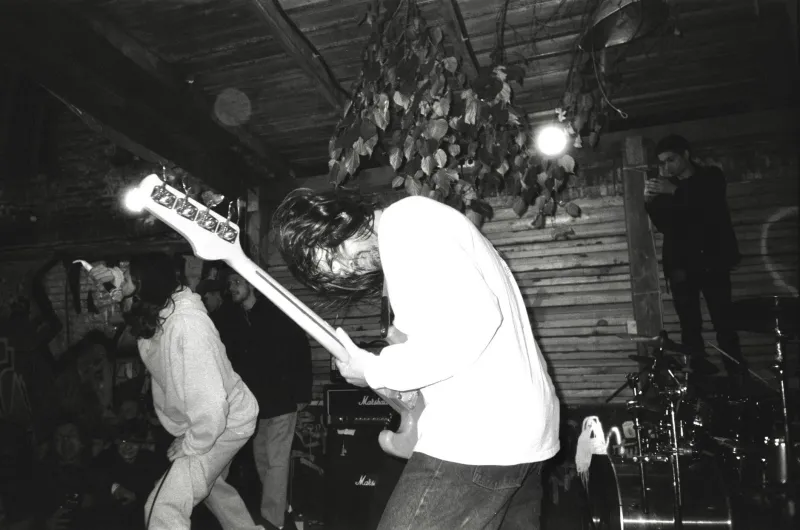
This one requires actually leaving the house, but it's worth it. Every major US city — and plenty of smaller ones — has a network of small venues, dive bars, and DIY spaces that host emerging artists regularly. In New York, that's places like Elsewhere, Baby's All Right, or the countless DIY loft shows that don't even have websites. In LA, it's venues like The Troubadour's early shows, or the Silver Lake and Highland Park bar circuit. Chicago has Schubas and Lincoln Hall for the indie crowd. Nashville's East Side has a whole ecosystem of small stages.
The key is showing up before the artist needs a ticket lottery to get in. Check venue websites directly (not just Ticketmaster), follow local promoters on Instagram, and sign up for email lists from smaller venues in your city. Promoters who consistently book good shows are worth following closely — they're essentially curators with skin in the game.
Follow the Tastemakers, Not Just the Charts
Music blogs may have lost some cultural dominance, but they haven't disappeared. Sites like Pigeons & Planes, The FADER, Ones To Watch, and genre-specific blogs are still actively covering artists before mainstream outlets catch on. Bookmark a few that align with your taste and check them regularly.
On social media, find the fans and curators who are consistently early — not the ones who post about artists after they blow up, but the ones who were posting about them a year before. These people exist in every genre community. Follow them, engage with their recommendations, and you'll build a discovery network that no algorithm can fully replicate.
Playlist curators on Spotify are another underrated resource. Independent curators — not Spotify's editorial playlists — often have deep genre expertise and are updating their lists with genuinely new material. Search for niche genre playlists, check who's curating them, and follow the ones that consistently surface new names.
Tips for Identifying the Real Thing Early
Not every artist with a small following is a hidden gem. Here's how to tell the difference between an artist who's genuinely early in a breakout trajectory versus one who's just starting out:
- Consistency matters. Artists who release regularly, even if imperfectly, are usually more serious than those with one impressive track.
- Watch the live show. An artist who can hold a room of 50 people is usually an artist who can hold a room of 5,000. Live performance translates.
- Check who's co-signing them. When established artists, producers, or respected curators start mentioning someone, pay attention. Those signals move fast.
- Look at the comment sections. Genuine fan engagement — people describing specific moments in a song, sharing personal connections to lyrics — is different from bot activity or casual scrolling.
The Sengit Take
Being a real music fan has always been about more than just listening to what's popular. It's about the hunt, the community, the feeling of being part of something before it's everywhere. The tools available right now — from Bandcamp to Discord to your city's local venue scene — make that hunt more accessible than ever.
The next artist you're going to love probably isn't on the billboard yet. They're out there posting, playing, and building something real. Go find them.
Your beat. Your scene. Your sound.